Cooldown tracking beats meta hero hopping
Spent half a season forcing meta picks I was bad at. Switched to watching spells instead of tabs. Climbed hundreds of MMR. Not a joke.
Why tier lists feel productive and lose games
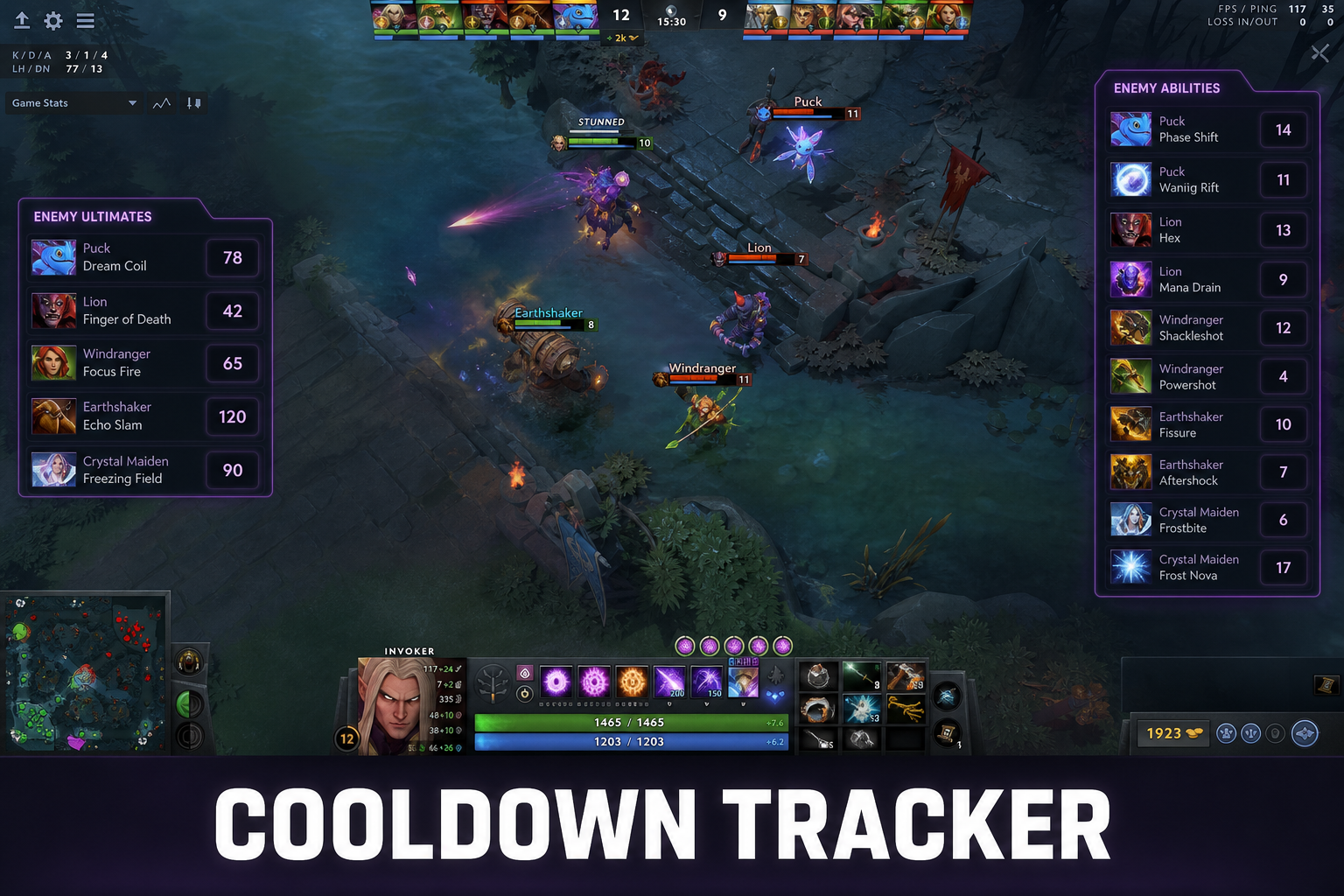
Everyone in the discord told me to play Mars offlane because it was "strong this patch." I went four and eleven across a weekend and blamed matchmaking before I actually watched my own replays. The hero was fine. I had no idea when their mid had Blink available, no idea when their Oracle had False Promise back up, and no idea whether their offlaner's Arena of Blood was on cooldown when I tried to fight near the tower. I was playing tabs, not timers, and tabs do not win fights.
Hero tier lists make you feel productive in the way reading about the gym feels productive compared to actually lifting anything. Cooldown tracking makes you win fights, and those are not the same hobby even though they get lumped together in most "climb fast" content. Check patch notes on dota2.com so you understand what changed, then resist the urge to force a hero you cannot execute under pressure just because a spreadsheet says the winrate is high.
The uncomfortable truth is that most tier lists are built from average winrate across all skill brackets, which tells you almost nothing about whether you personally can track that hero's kit while also tracking four enemy heroes' kits at the same time. A hero with a complicated cast sequence that requires perfect cooldown awareness to use well can sit at the top of a tier list and still be a terrible pick for a player who has not built the tracking habit yet.
The three-spell rule
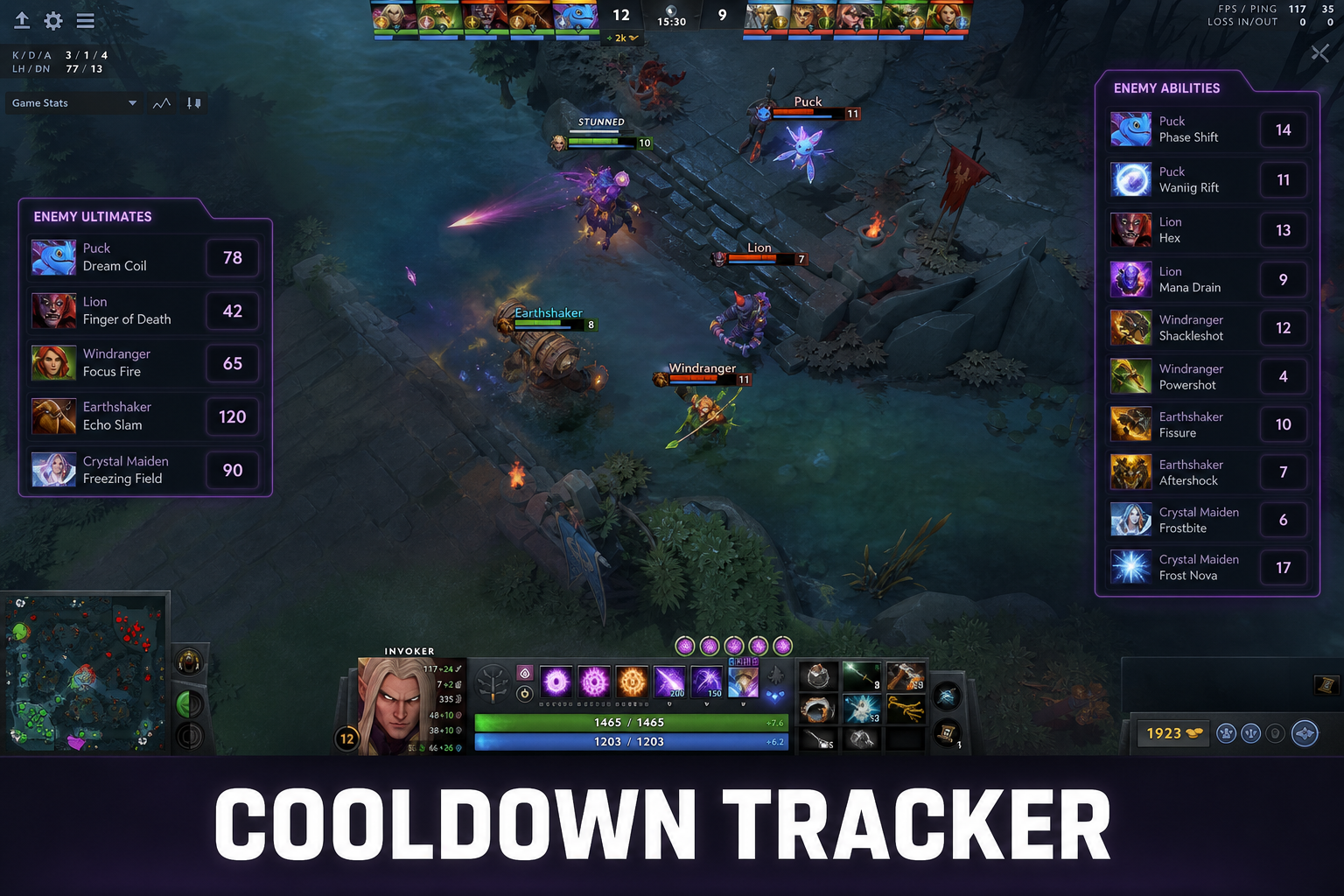
Keep a mental clock on three abilities maximum per game, at least while you are building the habit. Usually the right three are the enemy mid's ultimate, their hardest hard disable, and one reliable save item or spell on their supports. That short list is already enough information to completely change how you approach rune fights, high ground pushes, and Roshan attempts, because those three variables answer the single most important pre-fight question: can they actually punish me if I commit right now.
The discipline here is narrowing focus, not expanding it. New players who try to track every enemy cooldown simultaneously end up tracking nothing accurately, because human working memory does not scale that way under combat pressure. Three tracked correctly beats ten tracked approximately, every single time, in every bracket.
- Name the three spells you are tracking during draft or the loading screen, out loud if you can.
- Call them out mentally, or in chat, the moment they get used in a fight or a skirmish.
- Play noticeably more aggressive in the window right after they go on cooldown.
- Respect the window hard once you know they are coming back up, even if it feels like a good moment to push.
- Reset your list entirely if a core swaps roles mid-draft or buys a new item that changes their save potential.
Once I started treating an enemy BKB as a ninety second resource with a hard start and end time instead of a vague vibe of "they probably have it," fights stopped feeling like coin flips and started feeling like arithmetic I could actually solve in real time.
Item timers belong on the same clock
Spells are not the only timers worth tracking, and players who only track ultimates miss half the picture. Blink Dagger, Black King Bar, Force Staff, and Gleipnir all change fight geometry the moment they land in an inventory, and none of them show up on a spell-only mental checklist. Inventory awareness from our Hero ESP guide pairs directly with cooldown tracking: if their mid just used their ultimate in a failed rune fight and does not have Black King Bar yet, a dive that would normally be suicidal becomes a completely reasonable trade.
Spells are not the only timers worth tracking, and players who only track ultimates miss half the picture. Blink Dagger, Black King Bar, Force Staff, and Gleipnir all change fight geometry the moment they land in an inventory, and none of them show up on a spell-only mental checklist. Inventory awareness from our Hero ESP guide pairs directly with cooldown tracking: if their mid just used their ultimate in a failed rune fight and does not have Black King Bar yet, a dive that would normally be suicidal becomes a completely reasonable trade.
The reverse is just as important to track. A core who has both their ultimate and a fresh Black King Bar available is not a target you commit to without a plan, no matter how far behind their team is on gold. Pub players tend to evaluate fights purely on net worth totals shown on the scoreboard, ignoring that a single available Black King Bar can neutralize a gold deficit of several thousand in the right fight.
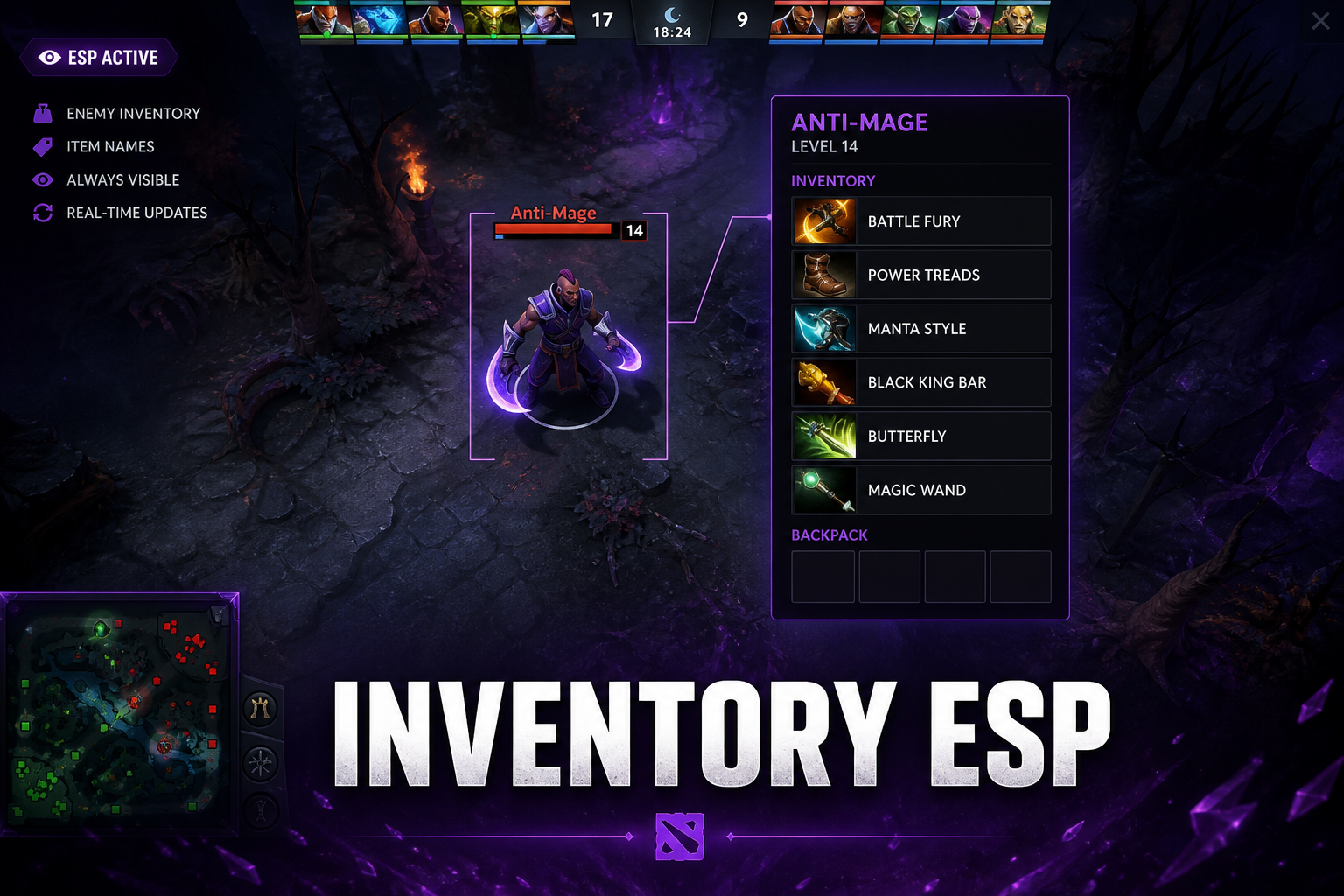
Track item timers the same way you track spell cooldowns: note when the item was purchased, calculate roughly when its cooldown or charge would come back up after use, and factor that into every fight decision from that point forward. It sounds like homework the first few games. It becomes automatic within a couple weeks of deliberate practice.
Role-specific cooldown tracking
Carries should prioritize tracking exactly one thing above everything else: the enemy's hardest disable that can lock them down during a farming cycle or a forced fight. A carry who knows the enemy stun is down can safely take a fight that would otherwise be a guaranteed death, and that single piece of information often decides whether a game-defining item finishes on schedule or three minutes late.
Mid players carry the heaviest tracking load by nature of the role, since they are usually the first to know when the opposing mid's signature spell or ultimate gets used in a rune fight or solo skirmish. Passing that information to teammates immediately, even with a simple ping or chat wheel call, multiplies its value across the whole map instead of keeping it locked in one player's head.
Offlaners should track the enemy safelane support's engage tool and the opposing carry's escape or burst cooldown, since offlane survival in the laning stage depends heavily on knowing whether a gank attempt is currently possible. Supports should track saves specifically: Force Staff, Glimmer Cape, and any healing cooldowns on the enemy team, because knowing when a save is unavailable is often the difference between a clean pickoff and a wasted initiation that gets answered instantly.
Lane stage tracking, minutes zero to ten
Early game, narrow your tracking to the specific spells that actually kill you in lane: the enemy mid's nuke, the offlane's stun, and whatever save the enemy support carries. Do not try to track everything in the enemy's kit during laning, because you will forget everything under the pressure of last hitting and denying at the same time. One accurate timer beats five approximate ones, especially in the laning stage where a single missed cooldown often means a dead hero and a lost lane.
If you are supporting, part of your job is calling "no stun" or "cooldown used" the moment the enemy offlaner burns their disable on creeps instead of a hero, since that is a free window your carry can exploit immediately. Mid players should communicate the instant the opposing mid's ultimate goes down after a failed rune contest, because that information changes whether a gank on either side of the map is safe to attempt in the next sixty to ninety seconds.
Mid game fight windows
The transition from laning into the midgame is where cooldown tracking starts paying off in objective control rather than just kill trades. Before your team commits to a tower dive, a Roshan attempt, or a forced teamfight, ask a short checklist: is their biggest disable available, is their primary save available, and is Black King Bar available on the specific hero you need to burst down first. If you cannot answer those three questions with confidence, you need more vision before you need more damage.
Midgame skirmishes around jungle stacks and side lane towers are where most pub tempo gets decided, and they are also where cooldown tracking gets sloppiest because both teams are distracted by farm efficiency. Making tracking a conscious habit during this phase, even a simple mental note every time you see an enemy hero, keeps your team from walking into avoidable trades.
Putting it all together
Cooldown tracking is not a single trick, it is a stack of small habits: the three-spell rule to keep focus manageable, item timers tracked with the same discipline as spells, role-specific priorities so you are not trying to track everything at once, and a weekly honesty drill to keep the habit sharp. Combine it with the ward vision guide so the information you gather actually reaches your decisions in time to matter. None of this guarantees a win. It does guarantee that your losses stop feeling random and start feeling like specific, fixable mistakes.