
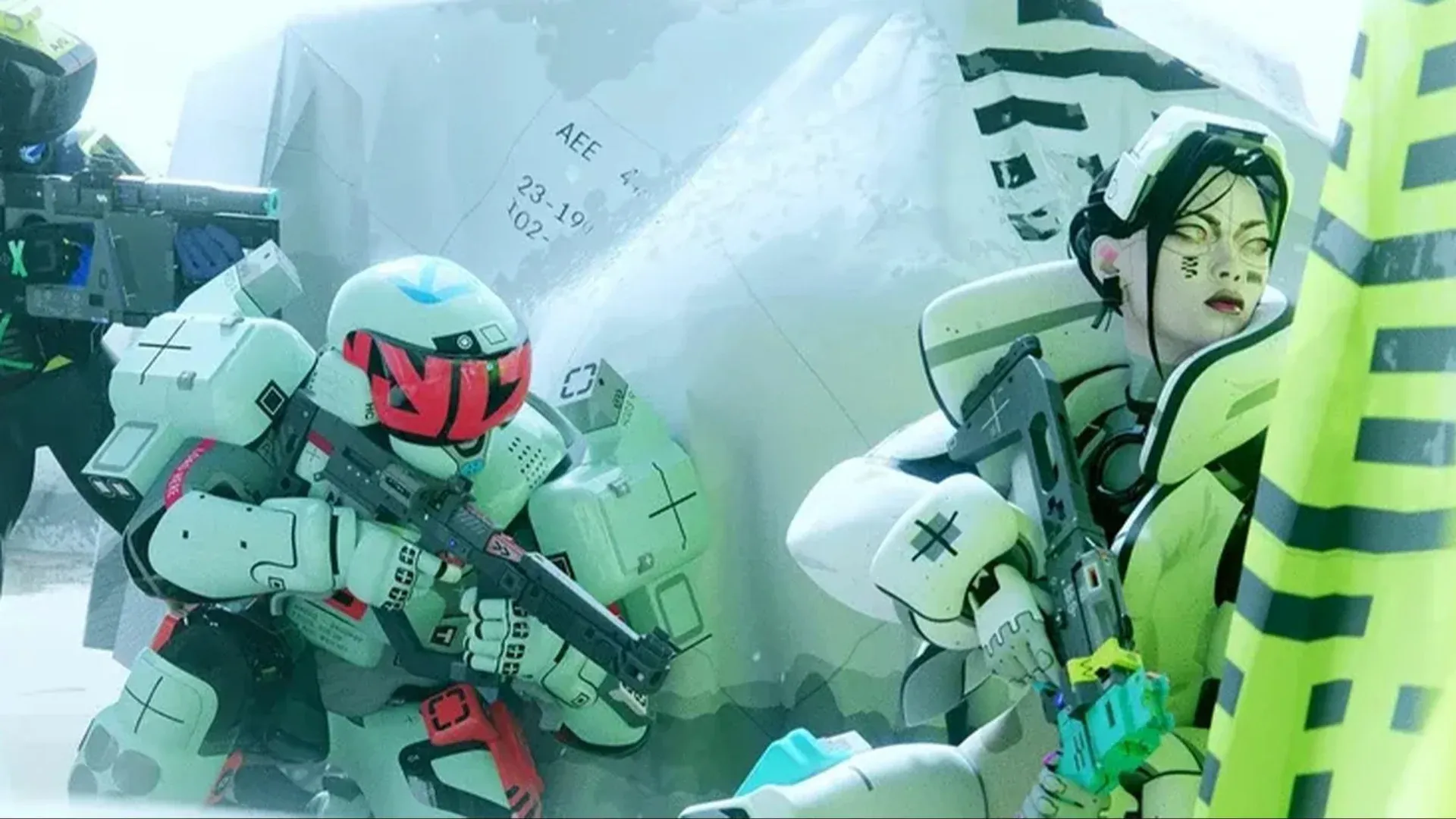


Before getting into Marathon’s current situation, it’s worth talking about something that keeps coming up in the community. Tools like Zadeyo.
Zadeyo is often mentioned when people talk about Marathon cheats, especially ESP and aim assistance. Unlike older cheats that were obvious and easy to spot, newer tools focus on staying subtle. The goal is not to look overpowered, but to look normal.
That’s what makes things different now.
Instead of breaking the game completely, these tools are designed to blend in with skilled gameplay. Everything looks smooth. Movements feel natural. From the outside, it can easily pass as real skill.
Because of that, it has become much harder to tell what is genuine and what is assisted.
Sony apparently won’t be seeing major profits from Marathon any time soon, even though the game had a fairly strong launch just weeks ago. Game development costs have been rising across the industry, and Marathon is a clear example of how delays and complications can quickly push a project into extremely expensive territory.
After multiple delays and a long development cycle, the game finally launched on March 5. Reports also suggested that there were issues during development, including concerns around the use of certain art assets, which only added more pressure before release. Despite that, the game still made it to launch without major last minute setbacks.
According to Paul Tassi from Forbes, the estimated cost of developing Marathon is now around 250 million dollars. That number alone is massive, and it does not even include the ongoing costs that come with running a live service game. Servers, updates, anti cheat systems, and continuous content all add more pressure over time.
At launch, Marathon reportedly generated around 50 million dollars in revenue. While that sounds strong, it still leaves a large gap compared to development costs. Extra revenue from in game purchases could increase that total, but the exact numbers are not publicly confirmed.
From a player perspective, the game is doing well so far. Marathon holds an 88 percent positive rating on Steam, where about 70 percent of its sales have happened. On PlayStation, it has an 82 score on Metacritic, along with multiple high ratings from major gaming outlets. Reports also suggest that around 1.2 million copies have been sold across all platforms.
With a price of 40 dollars for the base version and 60 dollars for the Deluxe version, this is a solid start. Player counts have been sitting between 300,000 and over 500,000, showing strong early interest. But like every live service game, the real challenge is not launch. It is keeping players over time.
And this is where problems start to show.
Cheating.
Even early into the game’s life, players have started raising concerns about unfair gameplay. Not always obvious cheating, but something that feels slightly off. Situations where players seem to have too much information, or react just a bit too perfectly.
This puts Sony and Bungie in a difficult position.
Modern cheats are no longer easy to detect. They are built to look human. They avoid obvious patterns. They stay under the radar for as long as possible. Because of that, anti cheat systems often struggle to keep up in real time.
For a competitive game, this is a serious issue.
If players feel like matches are not fair, they stop trusting the game.
When trust drops, players leave.
And when players leave, even a strong launch cannot save long term success.
Right now, Marathon is somewhere in between.
It is not failing, but it is not secure either.
The numbers are good, but the future is uncertain.
And concerns like cheating are already starting to build.
If Bungie can continue adding content while also improving fairness and detection systems, the game still has a chance to grow. But if these problems are ignored, momentum can drop faster than expected.
For now, Marathon is a game that still has a lot to prove.